INDIANA — We’ve seen book bans many times before, across many eras.
Different generations have had to contend with literature being literally pulled from the shelves, or even burned in some extreme cases.
According to PEN America, the 2023-2024 school year saw a staggering 200% increase in banned books when compared to the previous. They recorded 10,046 bans.
The themes of these banned books may be unsurprising if you’ve been paying attention. The most challenged books often deal with topics related to racial justice, LGBTQ+ matters and women’s rights.
This has been the case for decades. In fact, you can see throughout our nation's history that books confronting systemic racism, anti-LGBTQ bigotry or the mistreatment and exploitation of women often receive the most pushback.
Perhaps the National Women's Law Center puts it best:
"Historically, book bans have been tools of oppression used to maintain the status quo by suppressing dissenting ideas and perspectives. Today, the books most frequently challenged are those that confront societal norms (which are often grounded in white, cis-hetero ideals of how people should look or act) or provide a voice to those who have been historically silenced and marginalized."
Indiana Freedom to Read Committee Co-Chair Emily Bedwell, a librarian herself, thinks people fear what they don't know.
—If they can force the narrative into what they're comfortable with, then the world feels safer to them for some reason.
Emily Bedwell, Indiana Freedom to Read Committee Co-Chair
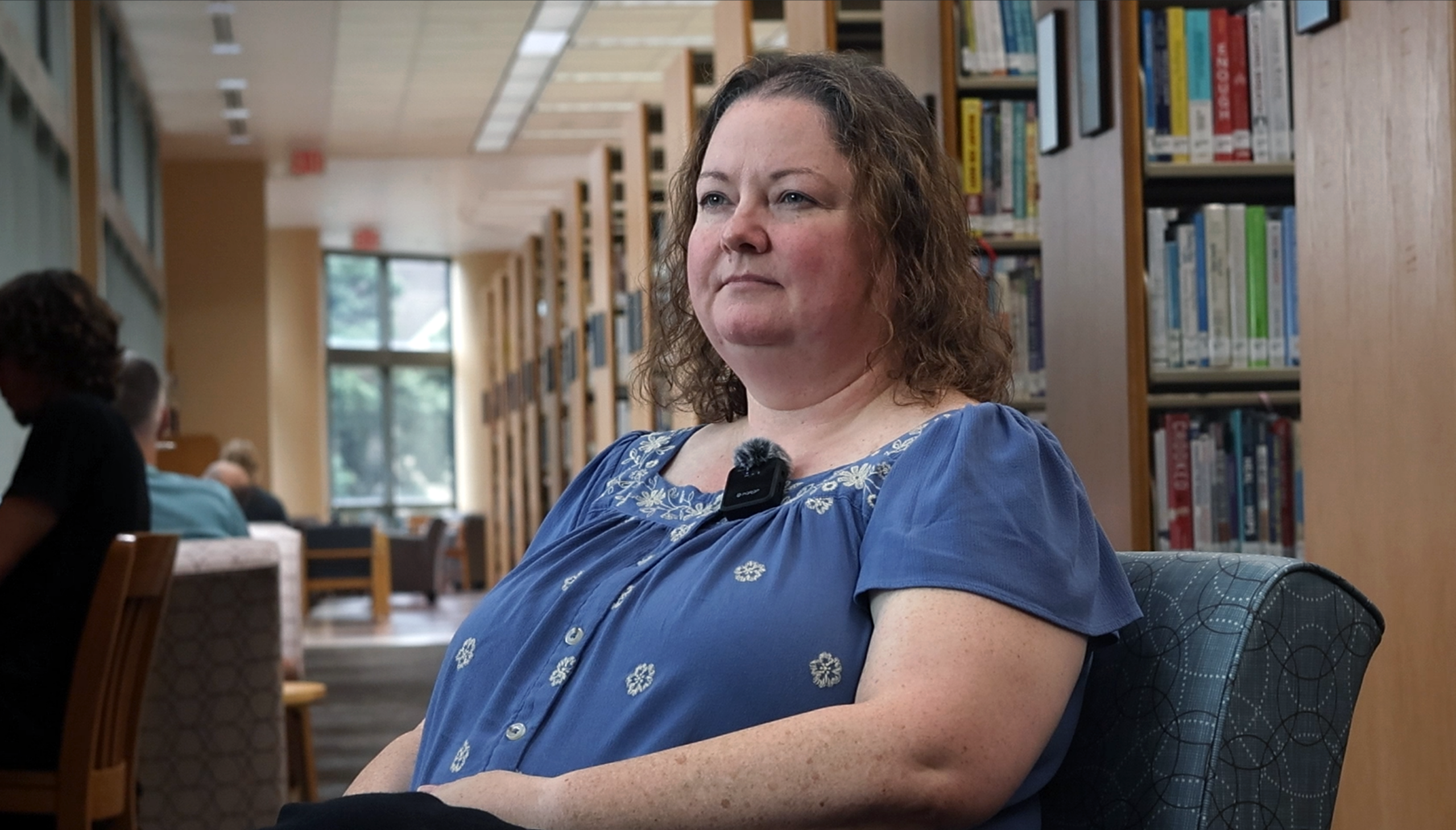
Emily Bedwell, Indiana Freedom to Read Committee Co-Chair.
Bedwell has a T-Shirt that says, "There's no part in history where the people banning the books were the good guys, but when they were banning the books, they thought they were the good guys."
And that's often the reasoning, right?
Those seeking to ban books usually cloak their intent (often fueled by bigotry against marginalized groups) behind a tried-and-true façade: "We have to protect the children."
A parent has every right to restrict their own kids' reading—though a wise person would understand that prohibition only makes them seek it more—but imposing that will on others, well, that's another story, no pun intended.
"I think that there is a level of, especially with challenges for books that are addressed to teens and young people, that it comes from, often from a place of, 'I want to protect my child,' without thinking about the bigger ramifications of, if I say my kid can't read this, is way different than saying that no kid can read this," Bedwell said. "And I think that that's a very interesting dichotomy of what it means to really challenge and ban something."
Last year, the ACLU sued the Department of Defense’s efforts to ban books at schools on U.S. military bases. You can see a list of just some of the books the department allegedly banned here.
The department also claimed certain books were pushing “woke” ideologies, including classroom staples such as To Kill a Mockingbird by Harper Lee and The Kite Runner by Khaled Hosseini. It's worth noting these books were published in 1960 and 2003, respectively. People have been reading them for decades, and they didn't exactly cause our society collapse. Both of these stories contain challenging material, but their messages are as resonant today as ever.
In October of last year, a judge sided with free speech and ruled that the department needed to stop the censorship of these materials via a preliminary injunction, but the case is still ongoing.
You can trace the banning of books back for centuries. According to the Monmouth University’s Guggenheim Memorial Library, one of the first banned books in the nation came more than 100 years before we were called the United States. It was The New English Canaan by Thomas Morton, originally published in 1637.
The library also includes some more contemporary examples. Here are just some of the most challenged books for the better part of the last century.
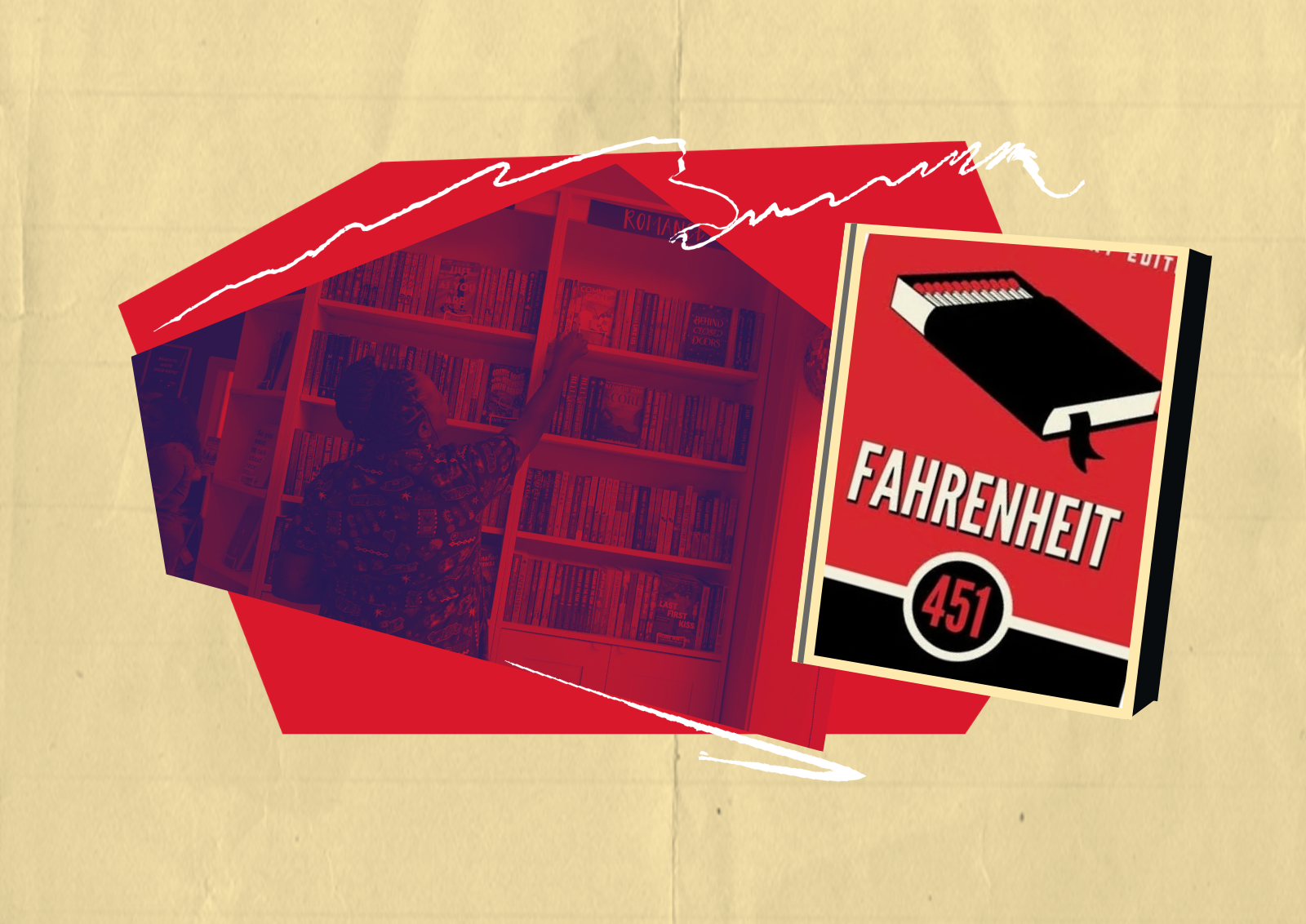
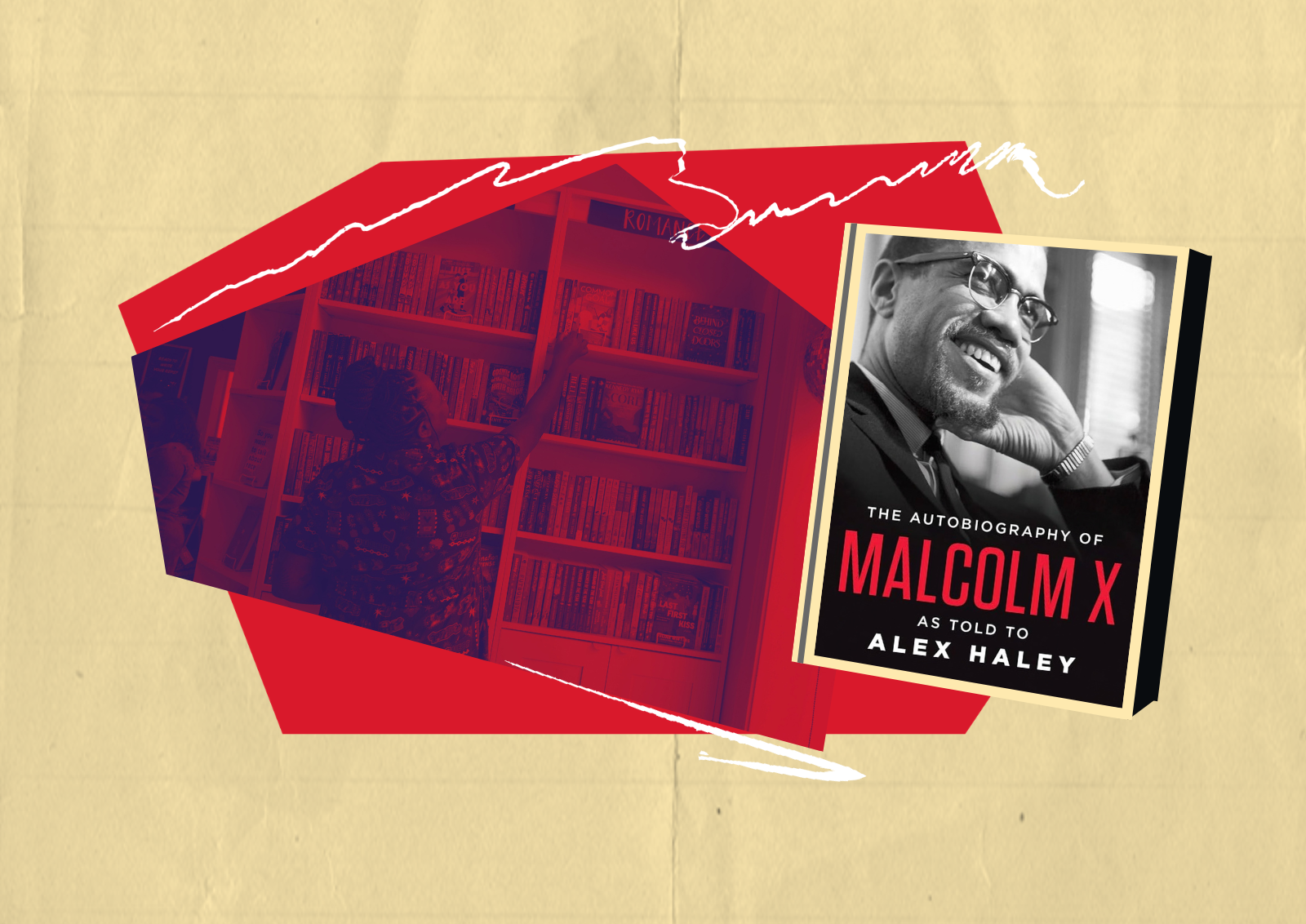
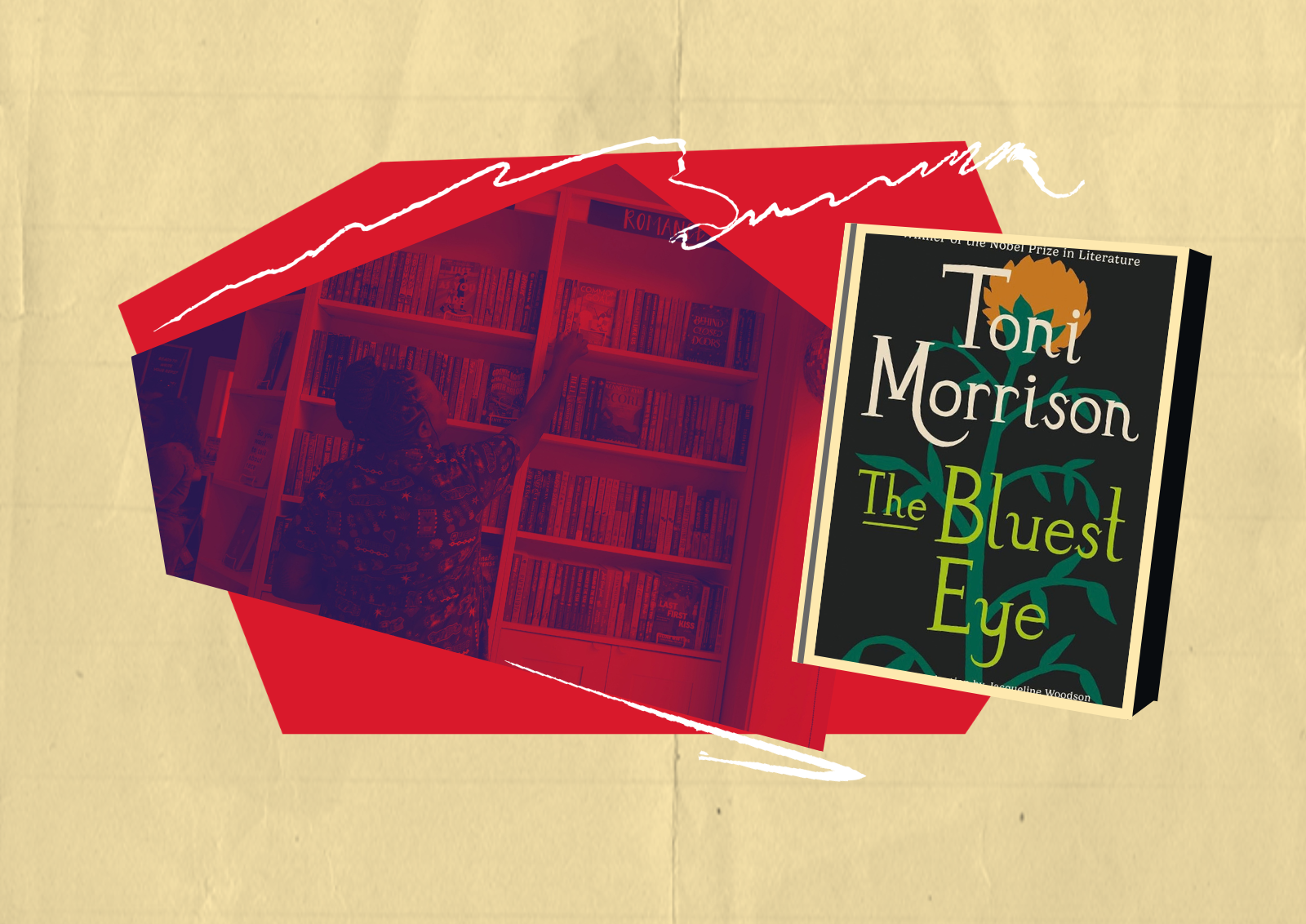
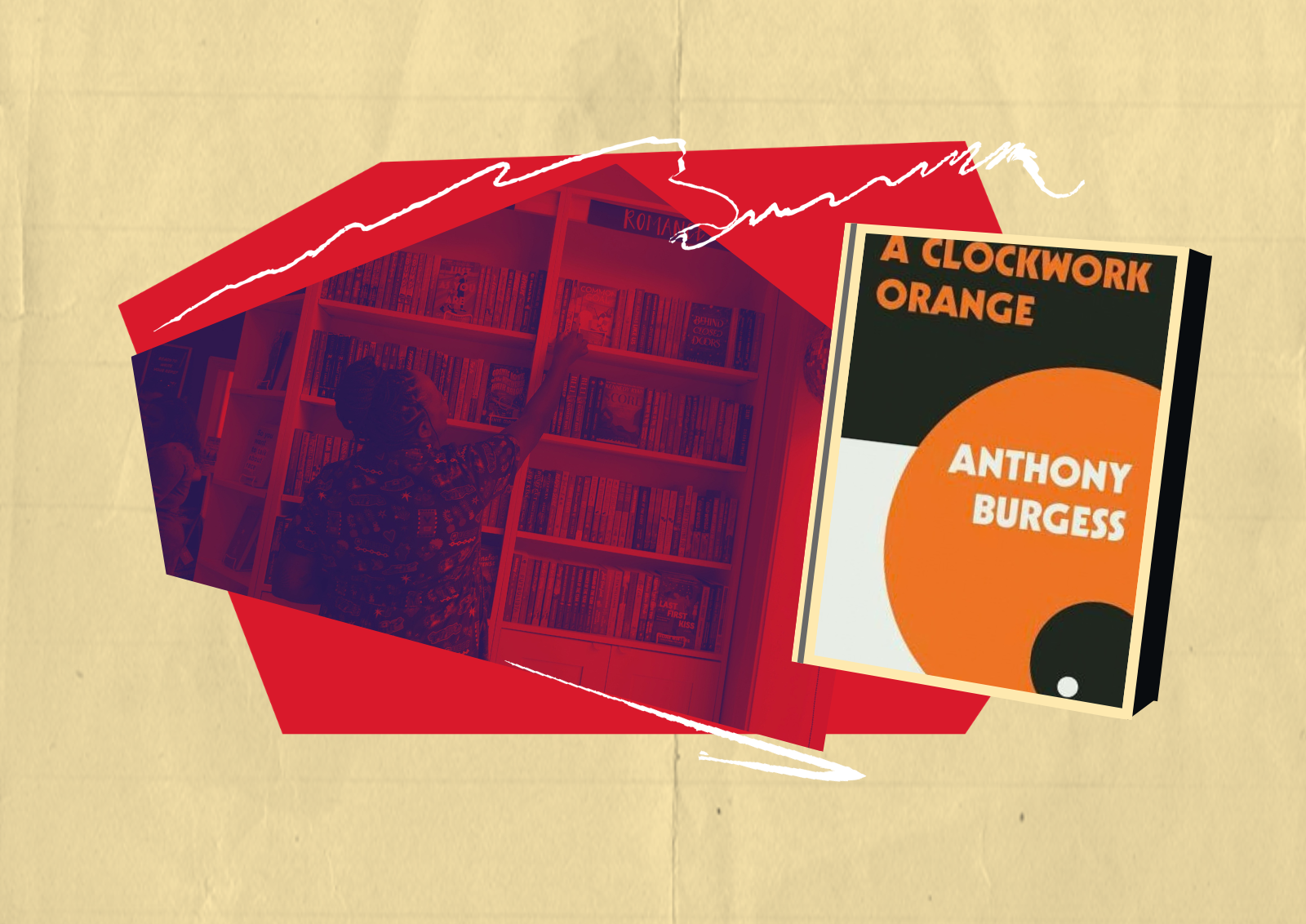
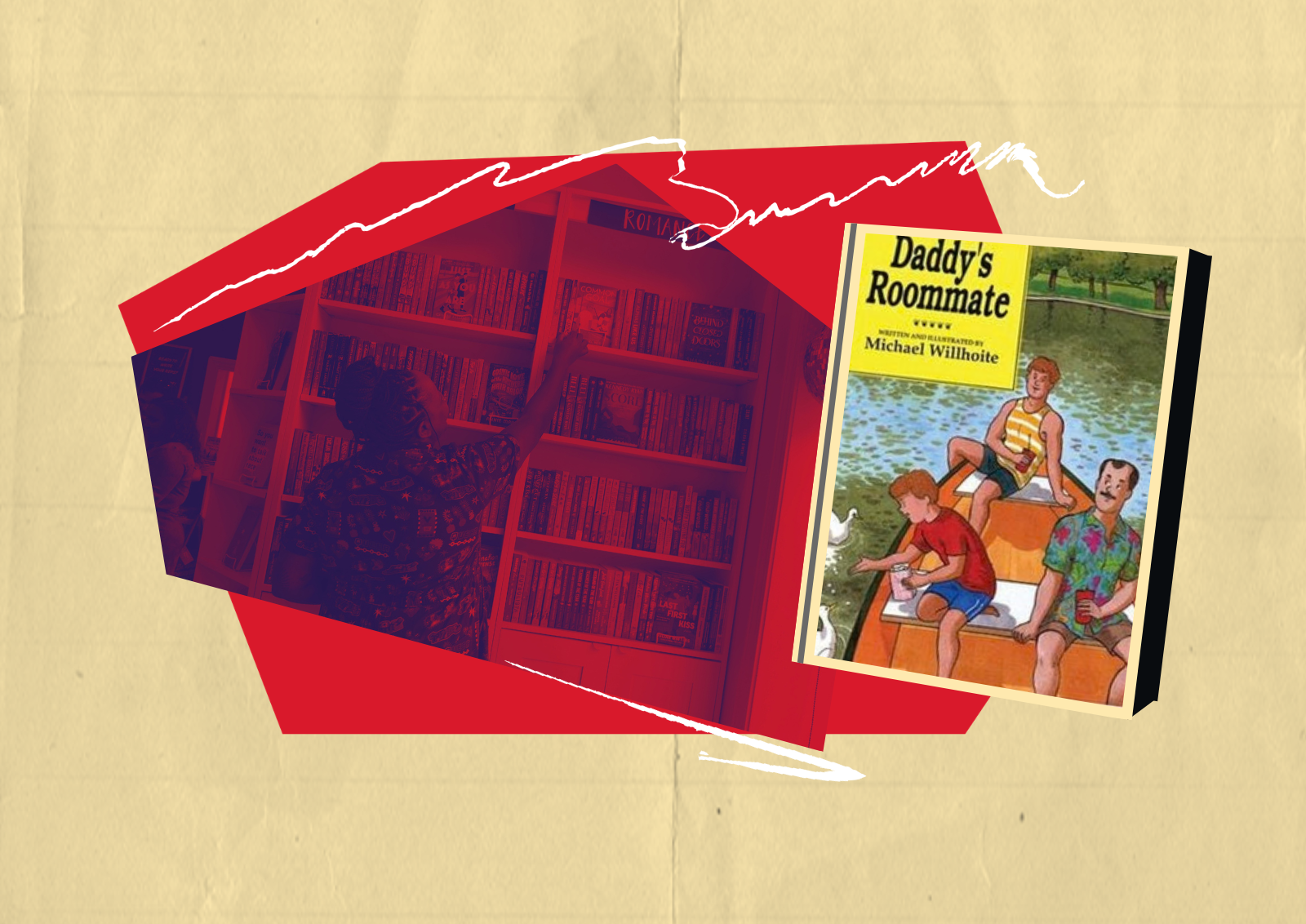
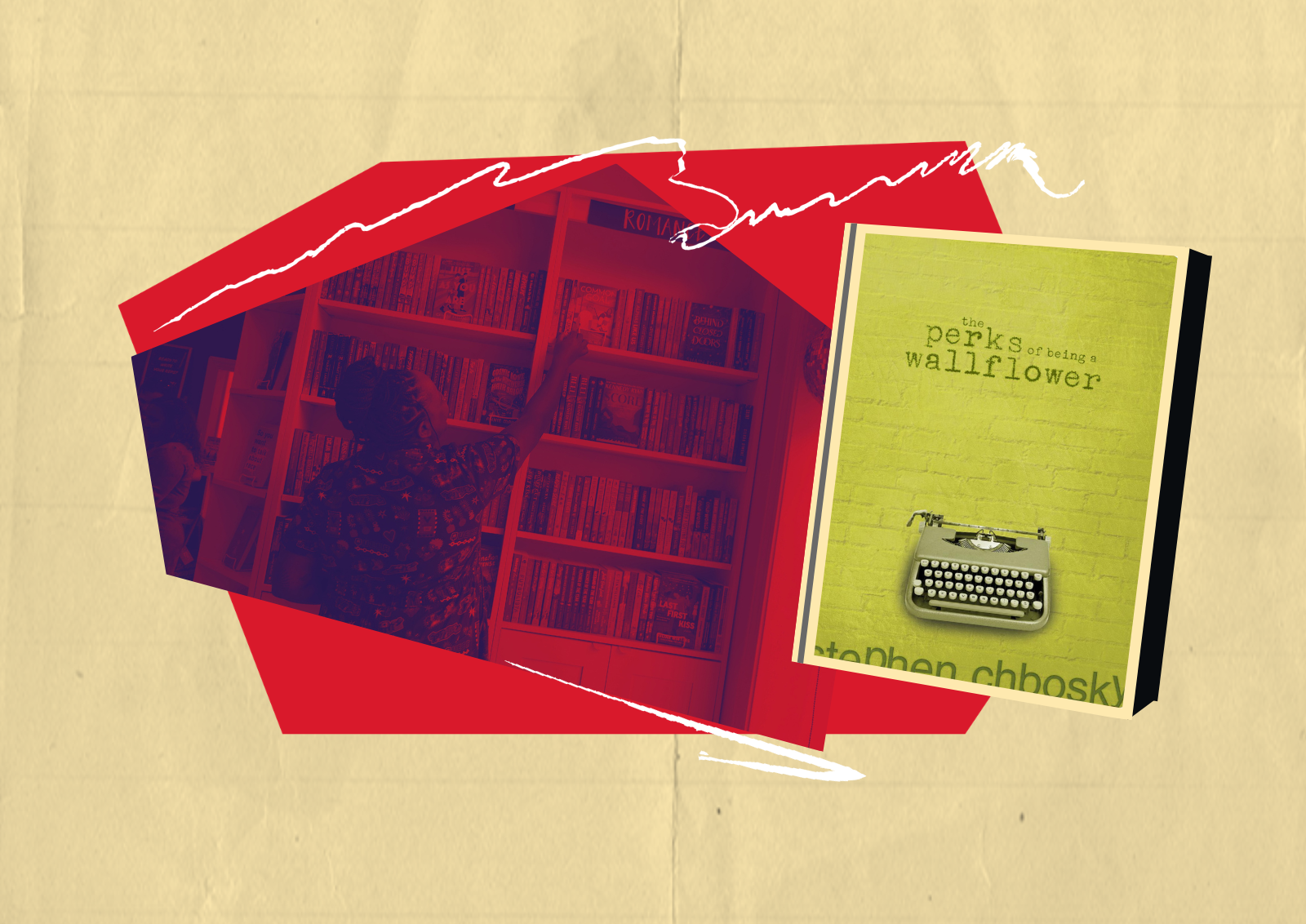
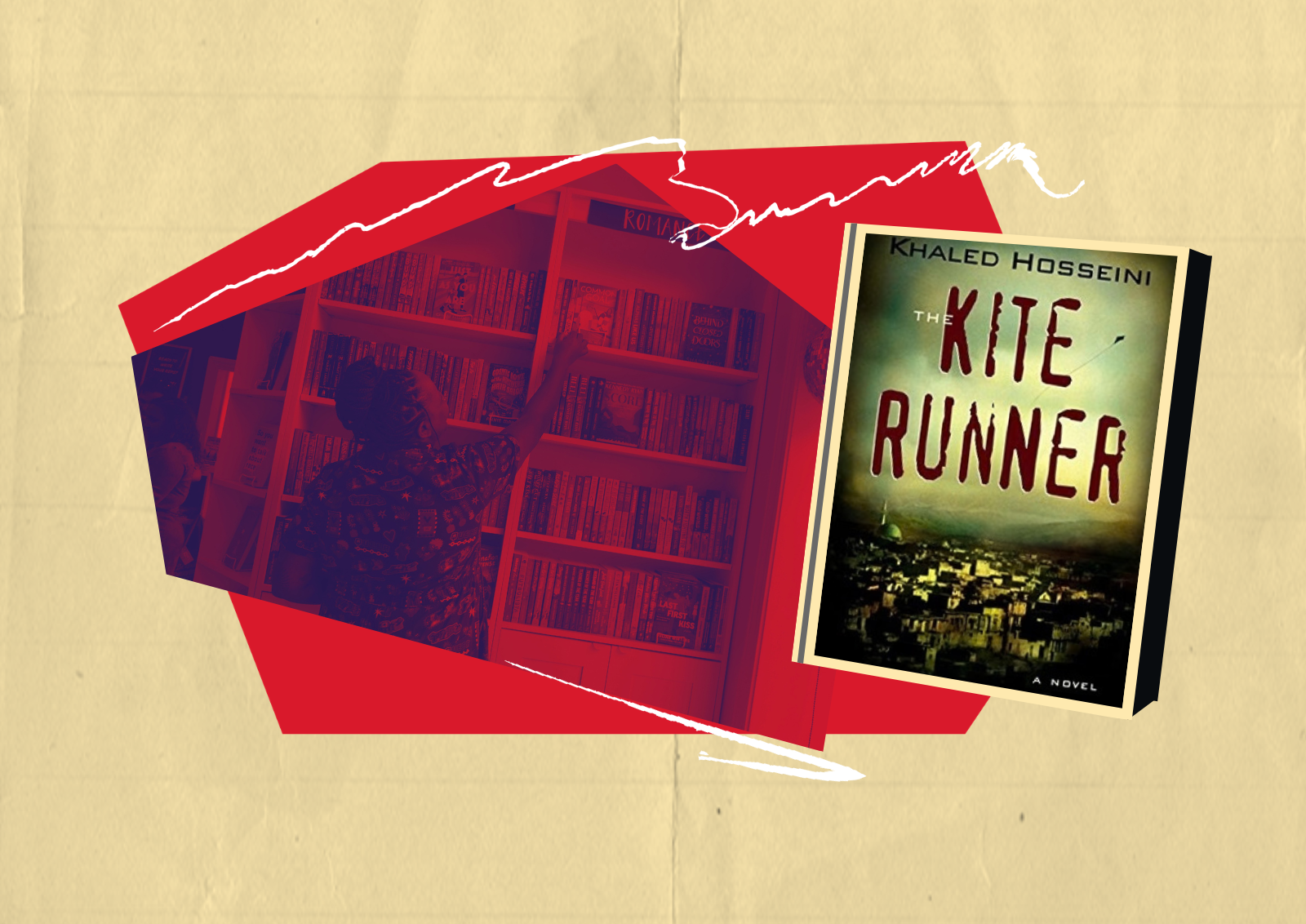
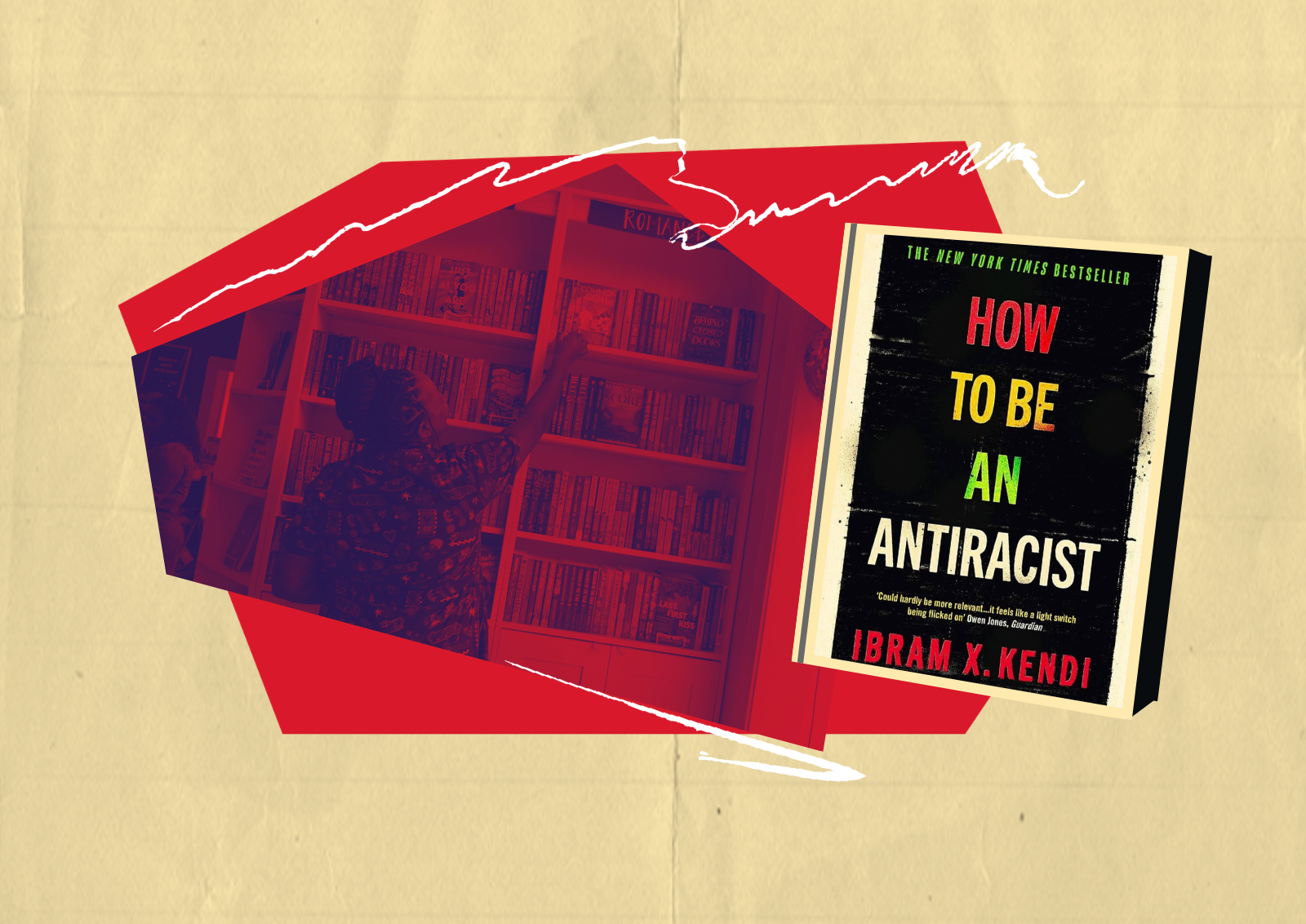
You can see the library’s full list of most challenged books by decade here.
The government should not be permitted to dictate which books are acceptable and appropriate for public consumption, particularly when the content seeks only to develop a deeper understanding of marginalized groups or an accurate depiction of historical events.
Bedwell said banning books forces a narrative that doesn't necessarily represent who we are as a culture.
—And I think as groups that have been traditionally marginalized get their voices, that's when people start realizing there's all these materials out there for them. And what if someone is learning something that I don't agree with, or that I'm not a fan of, and that just makes the conversation more complicated.
Emily Bedwell, Indiana Freedom to Read Committee Co-Chair
"And I don't know that people always like complicated conversations," she continued. "It's much easier to just be like, 'this is right, and this is wrong,' but that's just not how the world works."
If you’re interested in learning more about banned books and maintaining unrestricted access to literature, consider stopping by the final event for the Dignity & Freedom to Read Banned Book Club on Oct. 6.
That event will be at the Kurt Vonnegut Museum and Library discussing Cat’s Cradle by Kurt Vonnegut. You can click here to purchase a copy and support local bookstores. You can also, of course, swing by your local library for a free copy or check out Libby to get a free ebook or audiobook.
The book club had previously discussed other books such as Let’s Talk About It by Erika Moen and Matthew Nolan, Homegoing by Yaa Gyasi, The Magic Fish by Trung Le Nguyen, I Am Still Here: Black Dignity in a World Made for Whiteness by Austin Channing Brown and All Boys Aren’t Blue by George M. Johnson.
Staff Banned Bookshelf
Here's what banned books the ACLU of Indiana recommends.