Who Represents You?
From the Statehouse to Washington, D.C.
Every Hoosier is represented by elected officials at the state and federal levels. But a state senator isn’t the same as a U.S. senator, and different lawmakers have different responsibilities.
Understanding who represents you, what decisions they make, and how to reach them is an important first step in making your voice heard.
How Indiana Is Represented
Indiana has two separate legislatures: the Indiana General Assembly, which makes state laws, and the United States Congress, which makes federal laws.
Both have a House of Representatives and a Senate, but their members represent different districts, serve different terms, and make decisions at different levels of government.
Every Hoosier is represented by five legislators.
One Indiana state representative, one Indiana state senator, one U.S. representative, and two U.S. senators.
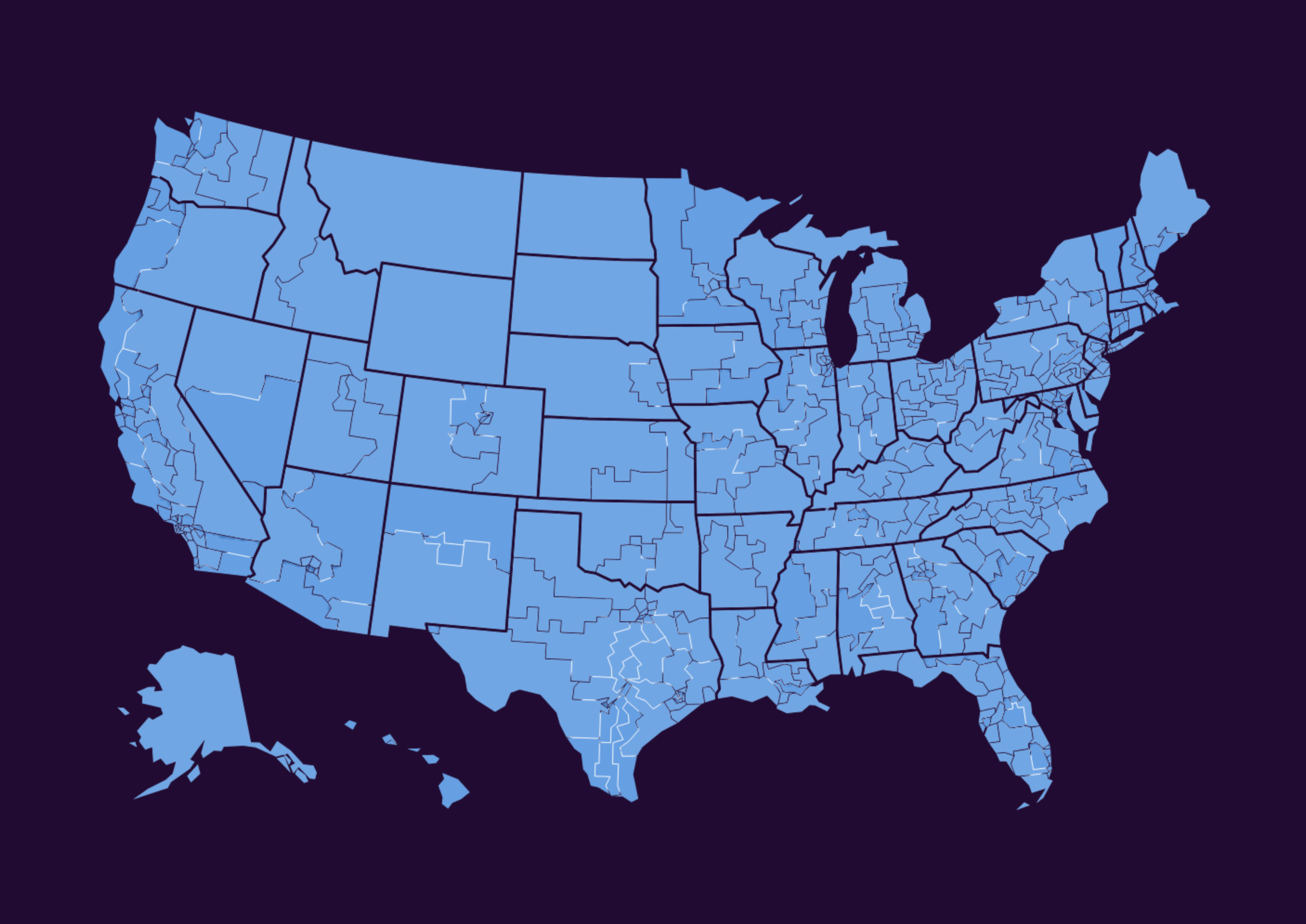
Indiana’s Three District Maps
Indiana has 100 state House districts, each represented by a lawmaker serving a two-year term, and 50 state Senate districts, each represented by a senator serving a four-year term. At the federal level, Indiana has nine congressional districts, each represented by a U.S. representative serving a two-year term.
Who Makes Decisions About the Issues That Matter to You?
Some laws are made at the Statehouse, others are made in Congress, and many issues involve both state and federal government.
Select an issue below to learn which officials have a role in shaping the policies that affect your community.
Beyond the Legislature
Governor
The governor leads Indiana’s executive branch, oversees state agencies, and can sign or veto bills passed by the General Assembly.
President of the United States
The president leads the federal executive branch, oversees federal agencies, and can sign or veto legislation passed by Congress.
Local Government
Mayors, city and town councils, county commissioners, county councils, school boards, and other local officials make decisions that affect their communities.
Depending on where you live, these officials may oversee local budgets, public safety policies, schools, public services, and local ordinances.
Local government structures and responsibilities vary by community.