The Criminalization of Homelessness in Indiana

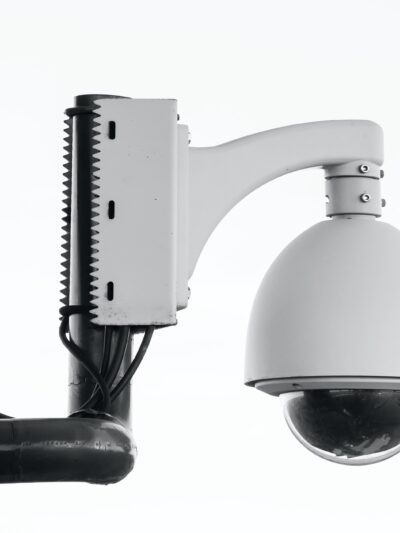
Police across the country are enforcing laws that restrict or prohibit behaviors of people experiencing homelessness, including panhandling, sleeping, sitting or lying down, and living in vehicles within public spaces. These laws criminalize poverty, fuel prejudices and stereotypes, and spur further criminalization and community divide. 

Placeholder image

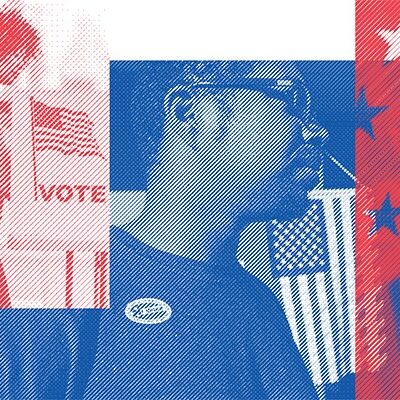
Indiana Should Allow No-Excuse Absentee Voting

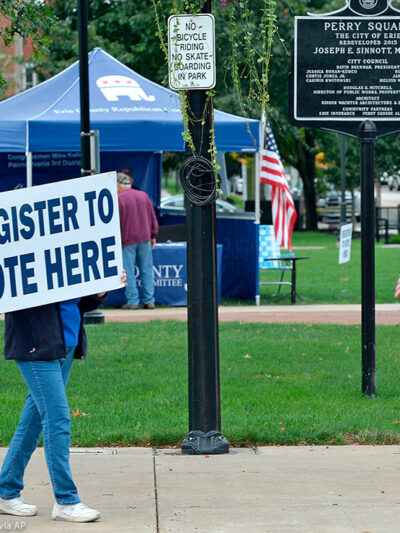
We’re calling on Indiana elected officials to ensure Hoosiers have the option to vote absentee — no excuse needed. To request a mail-in ballot Indiana typically requires voters to provide a reason they can’t make it to the polls, but protecting voters from the threat of COVID-19 should be reason enough.  

people voting at polls

These are our fight songs!

Music can be so deeply connected to our lives and our work - and that’s definitely true here at the ACLU of Indiana. Whether it’s a protest song from the 60s that reminds us of the long history of our fight, a punk-rock rager when we need a good yell, or a fun dance song with a good beat that shores up our enthusiasm when we’re getting ready to show out and show up in the fight for justice and equality. We each have our unique “let’s go” songs that keep us moving. 

ACLU OF INDIANA FIGHT SONGS SPOTIFY LIST

Indiana Must Invest in Counselors Not Cops in Schools

When students are sick, stressed, acting out, or may hurt themselves or others, counselors, nurses, social workers, and psychologists—not police—should be on the frontlines helping these students. Typical adolescent misconduct is not criminal behavior, but when schools lack adequate resources, teachers may call on police for behavioral support. This results in hyper-criminalization of our youth, particularly students of color. Students of color experience an incre

cop handcuffing young student in a school

ACLU Letter to Mayor Hogsett: Police Reform

The ACLU of Indiana was encouraged by Mayor Hogsett’s recent press conference in which Indianapolis officials discussed the importance of restructuring policing in our city. Recognizing that the underlying problem with policing isn't the result of a few failed policies or a couple of bad apples, but rather the problem is the outsized and ever-expanding scale of policing that leads inevitably to officers’ unlawful use of excessive force – is an important first step.

Placeholder image

Pride is a Protest

It is Pride Month and I’m watching the white LGBTQ community respond to the pain and anguish of our black LGBTQ siblings in a time when we are finally being forced to confront the reality of anti-black police brutality. This weekend LGBTQ activists from NYC to LA are transforming their annual summer Pride festivals as a moment to protest in solidarity with Black Lives Matter.  

By Kit Malone

Black Trans Lives Matter Protest Sign

Pandemic and President: Modern Threats to Birth Control 55 years after Griswold

Fifty-five years ago, the Supreme Court held that a married couple has the right to privacy in choosing to use contraception in Griswold v. Connecticut. Although in this opinion the Court did not extend protection to everyone’s right to make reproductive choices, it laid the foundation for later cases that expanded access to birth control and applied the right to privacy when deciding whether or not to have an abortion. Today, birth control access is under attack yet again, facing threats due to the COVID-19 pandemic. 

Protester holding sign that reads "Abortion is healthcare. Abortion is a right."

Movements led by black communities are too often met with tear gas

As Hoosiers continue to march the streets, demanding police reform and an end to police violence against Black and Brown people, we are confronted with images and videos of police using tear gas on peaceful protesters and making mass arrests of demonstrators who are practicing their First Amendment rights.  

By Ariella Sult

heavily-armed-police-at-black-live-matter-protest

Protesters' Rights & Legal Assistance

You should encourage them to take the above steps and contact the ACLU of Indiana.Can I take pictures or shoot video at a protest?When you are lawfully present in any public space, you have the right to photograph anything in plain view, including federal buildings and the police. (On private property, the owner may set rules about photography or video.)Police officers may not confiscate or demand to view your photographs or video without a warrant, nor may they delete data under any circumstances. However, they may order citizens to cease activities that are truly interfering with legitimate law enforcement operations.What do I do if I am stopped or detained for taking photographs?Always remain calm and never physically resist a police officer.Police cannot detain you without reasonable suspicion that you have or are about to commit a crime or are in the process of doing so.If you are stopped, ask the officer if you are free to leave. If the answer is yes, calmly walk away.If you are detained, ask the officer what crime you are suspected of committing, and remind the officer that taking photographs is your right under the First Amendment and does not constitute reasonable suspicion of criminal activity.

People marching in street protesting police violence